
Pulse Testing
Pulse technology measures building air permeability with a controlled pressure pulse, giving a clean and convenient test process.
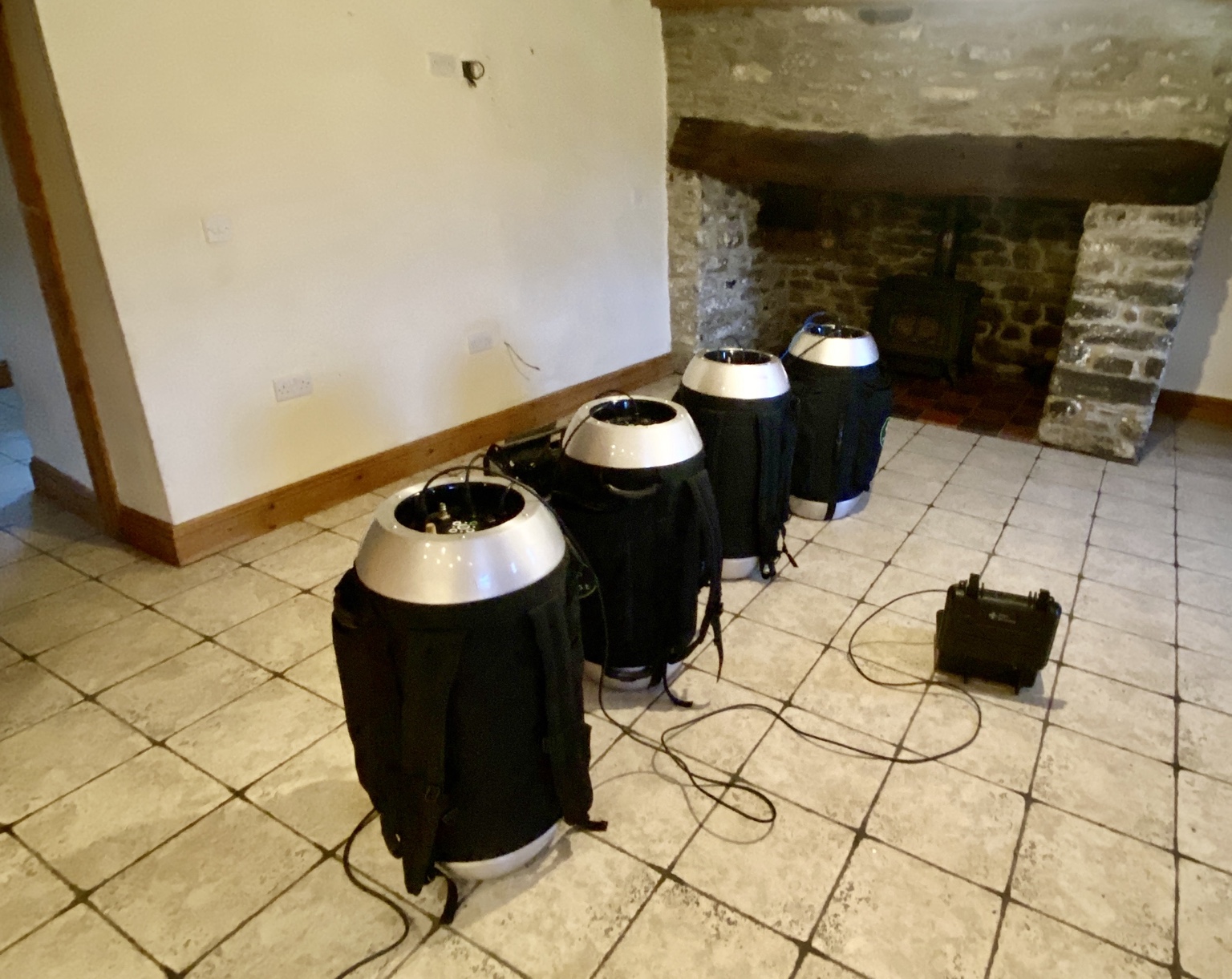
The Method
The Pulse units are placed inside the property as part of a straightforward test setup.
The equipment creates a short, controlled pressure change inside the building.
The system measures how the internal pressure changes and decays, which allows the air permeability to be calculated.
The test result helps demonstrate how airtight the building envelope is and can support compliance requirements.
Benefits
Pulse testing is designed to be efficient and convenient, particularly for residential projects where a clean and professional test process is important.
Before The Test
Before attending, we will confirm the exact requirements for your property.
External windows and doors should be able to close fully.
Internal doors are normally left open so the property is tested as one zone.
Occupants should not smoke shortly before the test.
Clear access helps the equipment be positioned and the test completed smoothly.
FAQs
Pulse air tightness testing measures how air moves through the building envelope using a controlled pressure pulse and sensitive pressure measurement.
Allow around 30 minutes for a straightforward test visit, although this can vary depending on the property and access.
Usually yes. Pulse testing is designed to be convenient and less disruptive for occupants.
Yes, all external windows and doors should be closed fully for the test.
Yes, internal doors are normally kept open so the test measures the property as a single internal space.
Yes. Normal furniture can stay where it is, provided there is reasonable space to position the equipment safely.
Air permeability describes how much air leakage occurs through the building envelope for a given pressure difference.
The result can help your project team understand the building's performance and decide what steps may be needed next.
Yes, by arrangement. Please send the project location when requesting a quote.